Preventing Tooth Decay
 Tooth decay [caries, cavities] is probably the most prevalent disease, affecting almost everyone during his or her lifetime. The good news is that it isn’t life threatening and is essentially preventable. The tooth decay process starts with dental plaque [sticky mixture of bacteria, food & debris]. Bacteria [germs], which naturally live in everyone’s mouth, but thrive in plaque, utilize carbohydrates from your diet, especially refined sugar [sucrose] to produce acid. Acid, if produced frequently, will demineralize [dissolve] the tooth enamel structure, which is the hardest substance in the human body. From there the acid will continue to eat through the underlying dentin layer until the bacteria and their waste products reach the pulp [nerve]. Left untreated, tooth decay can lead to root infection and eventually loss of your tooth.
There are visible signs of a cavity. Initially, it will appear as a small white spot, which in time will turn brown. As the decay continues, a hole in the tooth may become apparent. There are also warning symptoms such as sensitivity while brushing or to hot or cold foods or to breathing in air. Of course a painful toothache is a definite sign.
Prevention
 The most important prevention technique is daily removal of plaque with flossing and brushing. If possible, good oral hygiene should be practiced after every meal.
Using fluoride to strengthen the enamel and help remineralize teeth is a highly reliable prevention tool. Use only a fluoride, ADA recommended toothpaste. At our office, we give topical fluoride treatment to children up to age 18. We can also fabricate custom trays to be used at home with a gel fluoride for adults who have rampant caries or who are more predisposed to having tooth decay. We also recommend fluoride drops or vitamins for infants who don’t live where the public water supply is fluoridated. Call our office to see if your water is fluoridated. Diet is significant in caries prevention. . Studies have shown that the nature and frequency of sugar intake is more important that the amount. If the sugary food is very sticky like caramel, gummy bears or jam, it will remain on the teeth for a longer period of time. If you or your children are constantly snacking on sugary foods, there is a continuous acid attack on your teeth. What do we do to prevent this potential problem? Avoid having sugar in your mouth for long periods of time. Stay away from sucking candies and chewing gum [unless sugarless] and refrain from drinking soda pop regularly [unless diet]. Try to cut down on the number of snacks per day. If you must snack, substitute foods that most like but don’t promote tooth decay. Examples are popcorn, pretzels, fruits, nuts, cheese, pizza and vegetables. Consuming sugary foods with a meal or for dessert has a less detrimental effect, because increased salivary flow during meals helps to wash the food away. Also, it is usually nearer the time that most people will brush their teeth. Keeping this in mind, it is better for children to eat sweets at a time and place that allows them to brush soon afterwards. As your children are growing, make sure they get plenty of calcium [dairy products] so that their tooth enamel develops properly. Finally, because you may be asymptomatic and unaware of the beginning of tooth decay, it is critical that you visit our office every 6 months for a check-up. Some cavities are hard to detect, especially those between the teeth. Sometimes, only bitewing x-rays can discover them. We will also give you a professional prophylaxis [cleaning], which is an important part of prevention.

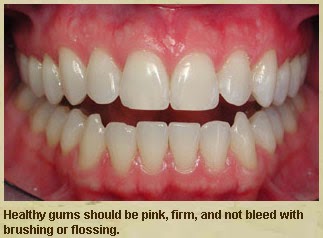




 Many people have bleeding gums, and they don’t think twice about it. They view it as a minor inconvenience. If you were bleeding from any other part of your body, you wouldn’t hesitate to see a physician. If you lost a body part you wouldn’t hesitate to have it replaced. We have 32 teeth - they are all body parts.
 We in this dental office believe in the philosophy espoused by Dr. F. Harold Wirth who said, "The mouth in its entirety is an important and even wondrous part of our anatomy, our emotion, our life; it is the site of our very being. When an animal loses teeth, it cannot survive unless it is domesticated; its very existence is terminated; it dies. In the human, the mouth is the means of speaking, of expressing love, happiness and joy, anger, ill temper, or sorrow. It is the primary sex contact; hence it is of initial import to our regeneration and survival by food and propagation. It deserves the greatest care it can receive at any sacrifice."